
Dr. Alfredo Quiñones-Hinojosa
Neurosurgeon-Scientist · Co-Founder
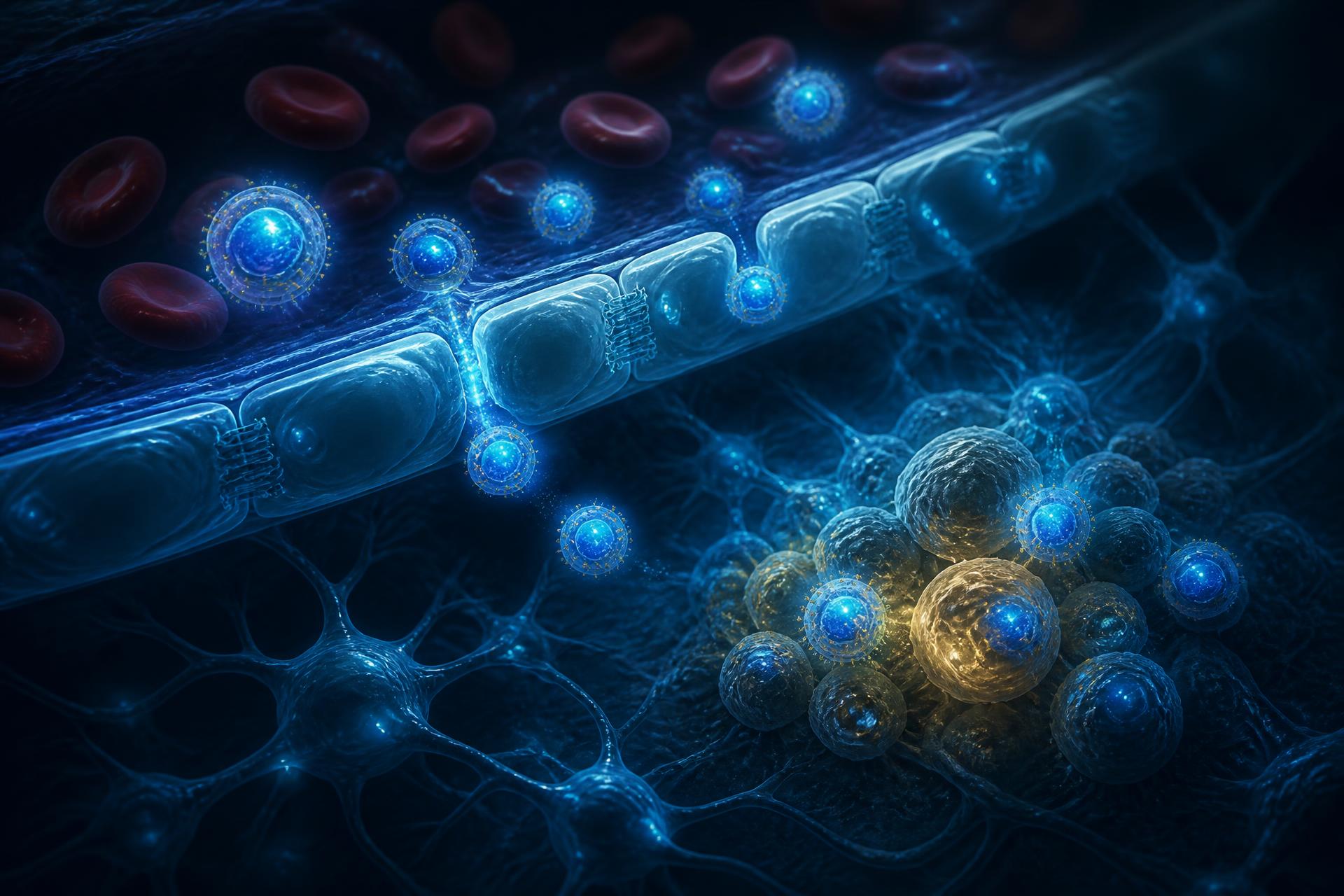
Dome Therapeutics is developing a nanomedicine aimed at the brain cancer stem cells left behind after surgery, radiation, and chemotherapy. Those cells are what regrow the tumor.
No approved therapy is designed to clear them. The program is in preclinical development, moving toward IND-enabling studies.
01 / The Need
Almost every glioblastoma patient relapses. Surgery removes what can be seen. Radiation and temozolomide handle much of what's left.
The tumor still comes back, usually within a year, often within centimeters of where it started.
The reason is a small population of brain cancer stem cells that persists through treatment. They are quiescent, they repair DNA damage efficiently, and they sit behind an intact blood-brain barrier. Clear them and recurrence loses its source.
No approved therapy is designed to clear them. That's the gap we work on.
Glioblastoma presents as a diffuse, infiltrative mass.
Resection removes the bulk of what can be seen and reached.
A treatment-resistant stem-like population persists in the margin.
Those cells repopulate the tumor, usually within about a year.
Nanoparticles carry a payload across the barrier to the remaining cells.
Approximate per-patient lifetime cost of treatment
Median survival after diagnosis under standard of care
Approximate five-year survival rate
Patients diagnosed with glioblastoma each year in the U.S.
Figures are approximations drawn from published registry and clinical literature. See scientific references.
02 / The Science
Most glioblastoma drugs are tested against bulk tumor cells. Ours was designed against the stem-like population instead, and the delivery vehicle was engineered alongside the payload rather than bolted on afterward.
Work to date is preclinical. The near-term focus is formulation, potency, and the toxicology package required for IND-enabling studies.
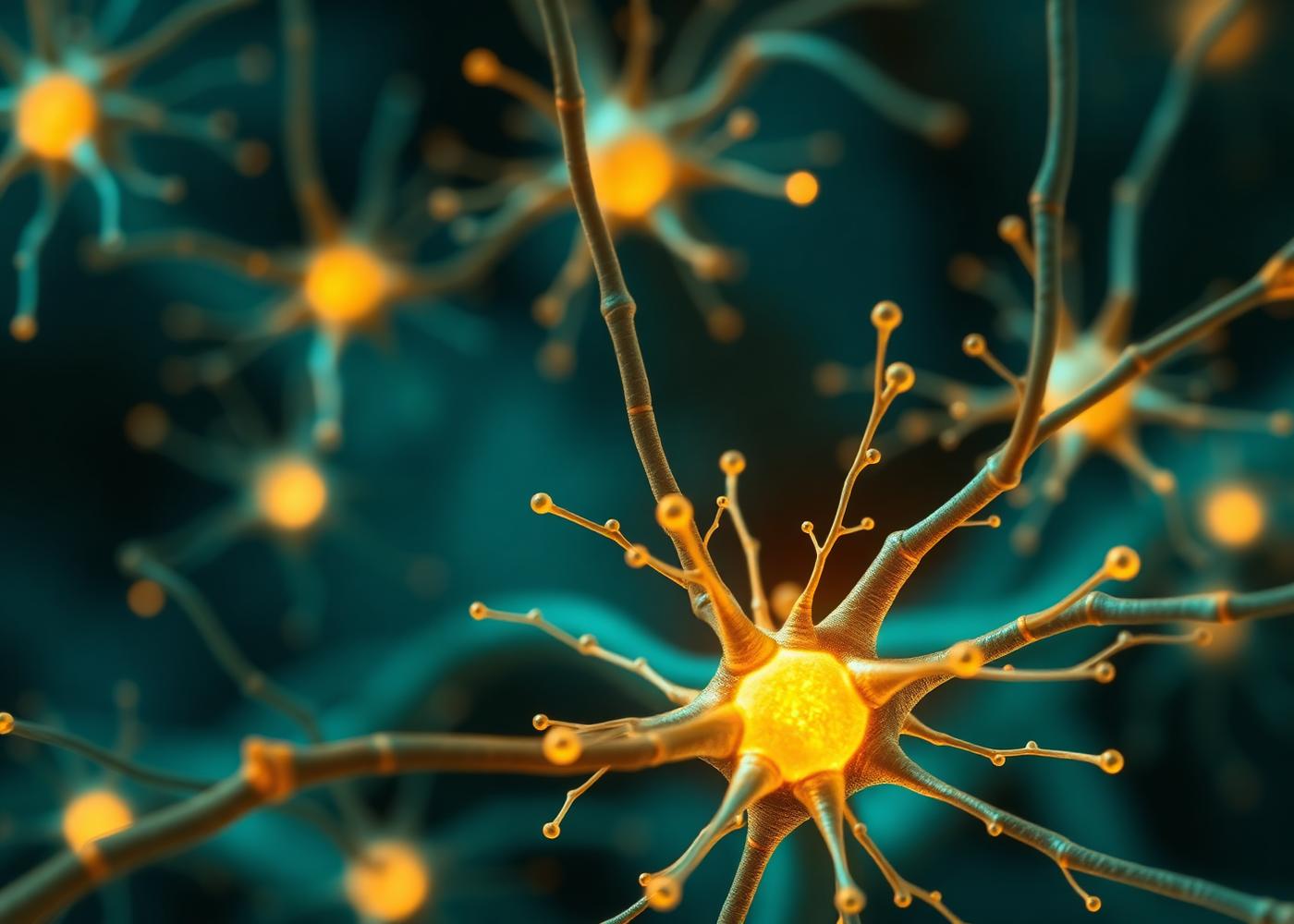
Brain cancer stem cells are what current treatment leaves behind. They are the population that restarts the tumor.
We mapped the molecular dependencies these cells rely on, then narrowed them to the ones a drug can actually exploit.
A therapeutic designed against those dependencies, not borrowed from a chemotherapy regimen built for bulk tumor.
A nanoparticle platform that carries the payload across the blood-brain barrier and releases it where the cells are.
The platform is designed with the potential to deliver additional therapeutic payloads to the brain. Glioblastoma is where we start.
More on the platform03 / Our Platform
One founder spent years treating glioblastoma in the operating room, while another spent those same years engineering biodegradable nanoparticles capable of delivering therapeutic payloads into cells. Their work converged to form Dome Therapeutics.
The near-term goal is a therapy that meaningfully delays or prevents glioblastoma recurrence. The longer-term goal is a delivery platform other brain diseases can use.
Our founders conduct their academic research at Johns Hopkins. Dome Therapeutics is an independent company, and its work is not endorsed by Johns Hopkins University or Johns Hopkins Medicine.
We also support the Mission:Brain Foundation, a non-profit that brings neurosurgical care to regions where it isn't otherwise available.
04 / The Team
Contact
We're building the next generation of nanomedicine for brain disease and welcome conversations with investors, collaborators, clinicians, and research partners.
We are not able to provide medical advice to patients or families, and cannot comment on individual cases. Please speak with your treating physician about treatment options.